Things to Do in Sucre in October
October weather, activities, events & insider tips
Low Season · Budget Friendly
October Weather in Sucre
Long-run averages for October
73°F (23°C)
High Temp
48°F (9°C)
Low Temp
1.8 inches (46 mm)
Rainfall
60%
Humidity
15
Sunny-Day UV
⚠ Extreme UV at altitude: Sucre sits at 2,810 m (9,219 ft), where the thinner atmosphere filters significantly less ultraviolet radiation than at sea level. Sunburn can occur in under 30 minutes of direct exposure. Even on overcast days. Wear SPF 50 sunscreen, a wide-brimmed hat, and UV-blocking sunglasses at all times outdoors.
⚠ Altitude sickness risk for travelers arriving from low elevations. Symptoms including headache, nausea, dizziness, and insomnia typically appear within 6 to 12 hours of arrival. They can last 48 hours. Ascend gradually if possible. Stay hydrated. Avoid alcohol for the first day. Carry acetazolamide if recommended by your doctor. Severe symptoms including confusion or breathlessness at rest require immediate medical attention and descent.
Making the most of October in Sucre? Browse tours and activities in Sucre on GetYourGuide.
Is October Right for You?
Weigh the advantages and considerations before booking
Advantages
- + October hits a sweet spot. The bone-dry Altiplano winter has passed, and the heavy December-through-February rains have not yet arrived. You get 1.8 inches (46 mm) of rainfall, usually in short late-afternoon bursts that clear within the hour. Evenings turn crisp and starlit above the whitewashed rooftops of the colonial center. Daytime highs reach 23°C (73°F), the warmest of the year. Skip the mud. Skip the road closures. This is not the true wet season.
- + Sucre's jacaranda trees explode in purple during October. They line Parque Bolívar and the avenues radiating from Plaza 25 de Mayo. The Ciudad Blanca becomes a lavender-and-white postcard. Bougainvillea season overlaps. The combination against chalk-white facades and terracotta roofs delivers the city's most photogenic moments of the entire year.
- + Tourist numbers remain low. October sits outside the June-through-August high season when European and North American visitors flood the Uyuni Salt Flats circuit. Find accommodation on short notice. Join smaller groups for guided treks to the Maragua Crater. Wander the nave of Iglesia de San Felipe Neri's rooftop terrace without fighting tour bus crowds.
- + Early October rains create the mirror effect on the Salar de Uyuni. A thin sheet of water covers the salt crust. The flats become the world's largest natural mirror, reflecting clouds and sky in ways the dry winter months cannot match. October offers one of the earliest windows for this phenomenon. Heavier January rains soon make access roads impassable.
Considerations
- − Altitude remains unavoidable. Sucre sits at 2,810 m (9,219 ft). Fly in from sea level and expect headaches, shortness of breath on staircases, and disproportionate fatigue during your first 24 to 48 hours. October's warmer temperatures mask the dehydration that altitude accelerates. Overdoing it on day one becomes easy.
- − Afternoon showers arrive between 2 PM and 5 PM. This timing conflicts with the best light for San Felipe Neri's rooftop and the whitewashed streetscapes of Calle Dalence. Plan outdoor sightseeing for mornings. Surrender some afternoons to the covered corridors of Mercado Central or a long lunch instead.
- − October marks the rainy transition's very beginning. Weather shifts unpredictably day to day. Some weeks feel like the dry season never ended. Others bring grey mornings and muddy trails on the outskirts. The Maragua Crater trek and roads to villages like Chataquila turn slippery after consecutive showers. Operators occasionally cancel or reroute.
Settled on October? Compare hotel prices in Sucre for your dates on Trip.com.
Best Activities in October
Top things to do during your visit
October marks the turn toward Sucre's warmer, wetter months, though the city still feels firmly planted in its dry-season calm. Daytime temperatures reach around 23°C, warm enough to walk the chalky white colonial streets in a light layer, while nights drop to a crisp 9°C that sends locals into wool ponchos and sends the smell of api morado, a hot spiced corn drink, drifting from market stalls in Mercado Central. Rainfall averages just 46 millimeters for the month, a modest uptick from the bone-dry winter but nowhere near the soaking downpours of January or February. When showers do arrive, they tend to come in short afternoon bursts that leave the terracotta rooftops gleaming and the surrounding hillsides faintly green for the first time in months. Bolivia's constitutional capital carries itself with a quiet authority that larger La Paz and noisier Cochabamba do not share. In October, the city's plazas feel unhurried. Students from Universidad San Francisco Xavier, one of the oldest universities in the Americas, cluster on the steps of the cathedral, and the clatter of their conversations echoes off the whitewashed facades of Calle Nicolás Ortiz. The air smells of diesel from colectivos and, a block later, of roasting salteñas from corner bakeries, the dough crackling open to release a brothy, cumin-laced filling. Sucre is the kind of place where a morning walk can stretch into an afternoon because every block has a courtyard, a church, or a rooftop that demands a pause. October's mild, mostly dry weather makes that kind of aimless wandering rewarding. The light is golden and clean, not yet hazed by the humidity that creeps in by December. For travelers weighing when to visit, October sits in a sweet spot between the cold, arid winter months and the heavy rains of the Bolivian summer. The surrounding countryside, the red rock canyons near Maragua, the dusty path to Cal Orck'o where dinosaur tracks score a limestone cliff, is accessible without the mud that can close roads later in the wet season. Sucre rewards a slow pace, and October gives you the weather to keep it.

Uyuni Salt Flat 1 Day Tour +Sunset in the Salt Water Region with Mirror Effect
guided_experienceThe Uyuni Salt Flat one-day tour from Sucre covers the vast white expanse of the Salar de Uyuni, ending with a sunset session at the salt water region where guides stage perspective-trick photographs and, when conditions allow, the thin water layer turns the ground into a mirror that doubles the sky beneath your feet. The scale of the place defeats your depth perception. The horizon dissolves into a white glare that makes the air itself feel like it has weight, and the silence is so total that you can hear the salt crust crackle underfoot with each step. The return journey crosses the altiplano after dark, and the cold night air rushing through the vehicle window carries a mineral sharpness unlike anything at lower elevations.
Standing on a salt flat that stretches unbroken to the horizon rewires your sense of scale in a way no photograph can replicate.
Insider tip: Bring a dark jacket or colored scarf for the perspective photos. White clothing disappears against the salt, and guides know exactly how to frame the shot if you give them contrast to work with.

Uyuni Salt flat 2 day+sunset at Salt Water Region + Mirror effect
otherThe two-day Uyuni Salt Flat tour extends the experience into an overnight stay in a salt hotel on the edge of the Salar, where the walls, floors, and furniture are carved from salt blocks and the air inside tastes faintly saline. The first day covers the train cemetery outside Uyuni, rusted locomotives half-swallowed by sand, and the salt processing village of Colchani, where workers pile iodized salt into bright white pyramids under the sun. By sunset you are out on the flats themselves, watching the sky cycle through copper, then violet, then a blue so deep it looks synthetic. The second morning starts early, and the cold hits your lungs like ice water before the sun clears the eastern edge and floods the white ground with warmth.
The overnight stay lets you see the salt flats at dawn, when the light is low and pink and the silence is absolute, a dimension the day-trippers miss entirely.
Insider tip: Pack thermal layers for the night at the salt hotel. Temperatures on the Salar can plunge well below freezing after dark, and the salt-block walls offer character but not insulation.

Traditional Bolivian Cooking Class w/ Cocktail Making by La Boca del Sapo, Sucre
foodLa Boca del Sapo's cooking class in Sucre drops you into a residential kitchen where the instructor walks you through salteñas from scratch, crimping the edges of the dough into the distinctive rope pattern, spooning in a filling that smells of cumin, oregano, and ají amarillo, then baking them until the crust turns the color of dark honey. The class also covers a peanut-based soup and a cocktail made with singani, Bolivia's national grape spirit, which carries a floral, almost perfumed sharpness on the tongue. Eating what you have cooked at the end, seated at a shared table in the courtyard with the afternoon sun warm on the flagstones, feels earned in a way restaurant dining never does.
Salteñas are to Bolivia what croissants are to France, and learning to make them in Sucre, the city that claims the best version, is a skill you carry home.
Insider tip: Ask the instructor to show you the tucumana variation, a fried cousin of the salteña that is harder to find outside Sucre and rarely appears on tourist menus.

1 Day Trek in the Crater of Maragua and Inca Trails in Sucre
adventureThe day trek to the Crater of Maragua follows old Inca trail segments carved into red and ochre rock, descending into a geological depression that locals call a crater but is an eroded syncline. The walls of the canyon are striped in bands of rust, cream, and charcoal, and the trail passes indigenous Jalq'a weaving communities where textiles hang drying on stone walls, their patterns dense with fantastical animals rendered in crimson and black thread. At the base of the crater, the village of Maragua sits in a pocket of green irrigated fields, and the smell of eucalyptus from planted groves mixes with the dry dust of the trail. The rock underfoot shifts from compacted clay to loose shale, and the sound of your boots crunching on it is often the only noise for long stretches.
The Maragua crater is one of the few places in Bolivia where pre-Columbian trail infrastructure, living indigenous textile traditions, and raw geological drama converge in a single day's walk.
Insider tip: Wear sturdy ankle-supporting boots. The descent into the crater involves loose scree sections where trail shoes slip, and the return climb is steep enough to make you regret sandals.
This month: October's modest rainfall has not yet saturated the trails, so the route into the Maragua crater is generally dry and passable. Later in the wet season, sections of the descent can become slick clay.

Historical and Cultural Walking Tour in Sucre with Guide
culturalThe guided walking tour of Sucre's historic center covers the colonial core that earned the city its UNESCO designation, moving through Plaza 25 de Mayo where the cathedral's twin bell towers cast long shadows across the flagstones, past the ornate facade of the Casa de la Libertad, the building where Bolivia's declaration of independence was signed, and into narrow side streets where balconies sag under the weight of flowering bougainvillea in shades of magenta and orange. The guide contextualizes the architecture within Bolivia's complex colonial and revolutionary history, and the pace is slow enough to notice details: hand-painted tile work above doorways, the worn grooves in stone thresholds from centuries of foot traffic, the cool draft that flows out of open church doorways carrying the waxy smell of burning candles. Sucre's historic center is compact enough to walk in an hour but deep enough to justify three.
Sucre's UNESCO-listed core is the most architecturally coherent colonial cityscape in Bolivia, and a guided walk surfaces the political and social layers that the white facades conceal.
Insider tip: Ask your guide to include the rooftop terrace of the Convento de San Felipe Neri. The panoramic view of Sucre's white rooftops against the brown hills is the single best orientation point in the city, and most visitors walk past the entrance without noticing it.

Uyuni Salt Flats Private 3 day tour (Palacio Sal 4* & Tayka 3*)
guided_experienceThe private three-day Uyuni Salt Flats tour with accommodation at the Palacio de Sal and Tayka hotels treats the journey as an expedition rather than a day trip, crossing the Eduardo Avaroa Andean Fauna National Reserve where flamingos stand in alkaline lagoons tinted red and green by mineral deposits, and geysers at Sol de Mañana send columns of sulfurous steam hissing into the freezing dawn air at nearly 5,000 meters elevation. The Palacio de Sal is built entirely from salt blocks. The walls have a translucent glow when backlit, and running your hand along them leaves a gritty, crystalline residue on your fingertips. The Tayka property sits at altitude in the desert, and stepping outside at night reveals a sky so thick with stars that the Milky Way casts a faint shadow on the ground. The private format means your vehicle stops when you want it to, lingers where the light is right, and skips the convoy-style queuing at popular photo spots.
Three days and two distinct high-altitude hotels let you absorb the altiplano's extremes, searing white salt, blood-red lagoons, volcanic steam, at a pace that does not blur them into a single exhausting marathon.
Insider tip: Request that your driver route through the Siloli Desert on the second day for a close pass at the Arbol de Piedra, a wind-sculpted rock formation that most group tours photograph from a distance. The private format lets you walk right up to its base where the texture of the wind erosion is visible in fine grooves across the stone.
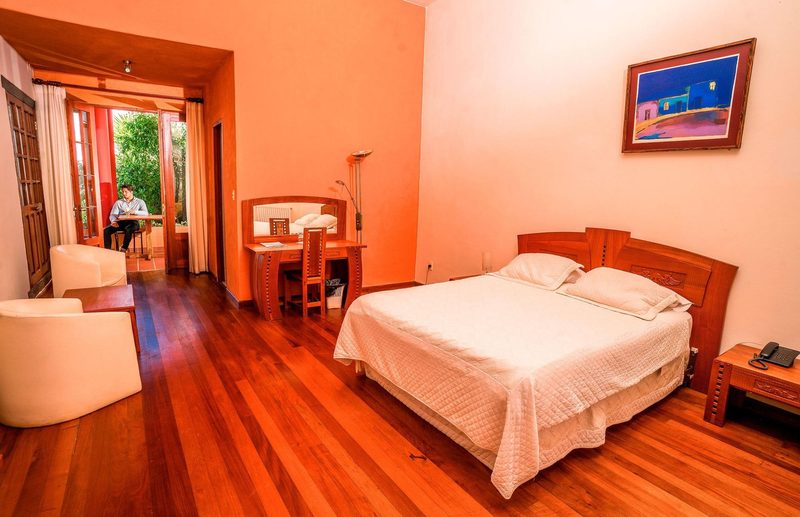
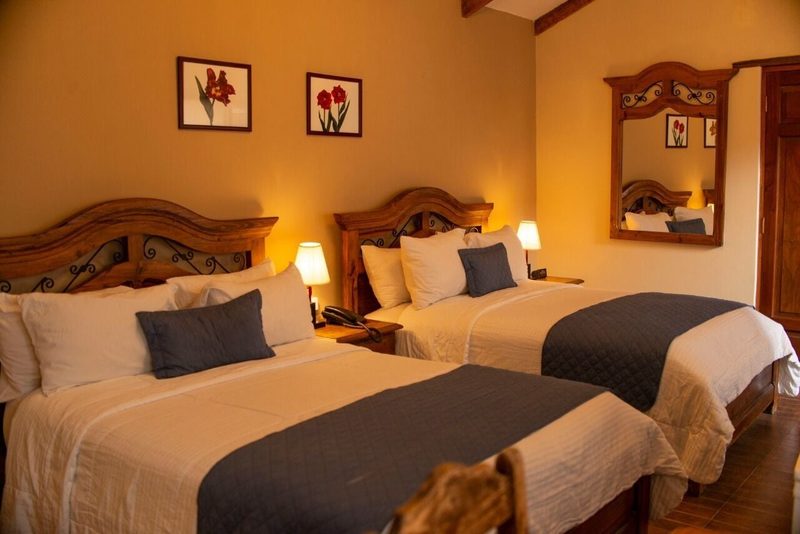
Where to Stay in Sucre in October
Hand-picked hotels across price tiers for October travellers.
Packing Checklist
Bookmark this page — your progress is saved between visits
Need the full list with shopping links?
Climate-specific gear, brand recommendations, and what to leave at home.
View Sucre Packing List →Essential Tips
Insider knowledge and common pitfalls to avoid
Insider Knowledge
Eat salteñas before noon or skip them. This is cultural fact, not suggestion. Sucre's salteña shops, the best clustering around Calle Estudiantes and streets near the Mercado Central, open at 7 AM and close by 11:30 AM. The spiced, juicy broth sealed inside the baked pastry shell is morning food. No Sucreño eats one after midday. The technique for eating without broth running down your arm: bite a small hole in the top and sip before each bite. Watch a local once. Copy them exactly.
The rooftop of the Convento de San Felipe Neri offers Sucre's single best view. But the light is only right in the morning. By early afternoon, the sun has moved behind the bell towers and valley haze softens the whites to grey. Go between 9 AM and 11 AM. The whitewashed city glows against the deep blue Altiplano sky, and the Cordillera de los Frailes is visible on the eastern horizon.
Sucre's chocolate is excellent and almost unknown outside Bolivia. The cacao comes from the Yungas lowlands east of the Andes, and small chocolatiers in the centro historico process it by hand into bars and truffles that rival Belgium's at a fraction of the cost. The tasting rooms along Calle Audiencia let you sample before buying. October's moderate weather means chocolate survives in your bag better than in Sucre's warmer months.
Do not underestimate the altitude, even if you feel fine. Sucre at 2,810 m (9,219 ft) is lower than La Paz or Potosí but high enough to flatten anyone arriving from sea level. The common mistake: feeling well enough on arrival day for a long walk, then crashing hard on day two. Spend your first day gently. Walk the colonial center. Take a cooking class. Linger over lunch in Plaza 25 de Mayo. Save the Maragua trek and Uyuni expeditions for day three or later.
Avoid These Mistakes
Avoid trying to do Sucre and Uyuni in under four days. The Salt Flats are a seven-hour drive or short flight from Sucre, and a proper multi-day expedition needs two to three days on its own. Travelers who squeeze both into a long weekend spend most of their time in transit, arriving at the Salar too exhausted and altitude-sick to enjoy it. Give Sucre two full days. Then dedicate separate time for Uyuni.
Ignoring altitude acclimatization because Sucre feels warm and manageable. The 23°C (73°F) October daytime is deceptively comfortable. It tricks people. Alcohol hits harder. Dehydration accelerates silently. Physical effort that would be trivial at sea level leaves you winded. Drink water obsessively. Skip alcohol for the first day. Walk slowly even when you feel like you do not need to.
Packing for summer because the daytime high sounds warm. That 9°C (48°F) overnight low is real. Sucre's colonial buildings are not insulated. You will be cold in your room after dark. Cold at outdoor restaurants once the sun drops behind the mountains. Freezing on any early-morning bus to Tarabuco or the Salt Flats. Layering is not optional. It is the difference between enjoying Sucre and lasting it.
Short on time? See day trips around Sucre on GetYourGuide.
Ready to plan your trip to Sucre?
Now that you've got the research covered, here's where to go next.
Explore More Activities in Sucre
Didn't see anything interesting yet?
Browse Viator's full catalog of tours, day trips, food experiences, and private guides in Sucre.
See All Sucre Tours on Viator