Things to Do in Sucre
White walls, dinosaur footprints, and salteñas worth setting an alarm for
Top Things to Do in Sucre
Find activities and tours you'll actually want to do. Book through our partners -- no booking fees.


Plan Your Trip
Essential guides for timing and budgeting
Climate Guide
Best times to visit based on weather and events
View guide →Day Trips
The best excursions and nearby destinations worth the journey
Explore day trips →Where to Stay
Best neighbourhoods, hotel picks, and booking tips
Find hotels →Travel Insurance
What's required, what coverage matters, and how to get a quote
Read guide →What to Pack
Climate-specific gear, essentials, and what to leave at home
See packing list →When Should You Visit Sucre?
Tap a month for weather, crowds, and highlights
View full year-round climate guide →Your Guide to Sucre
About Sucre
Sucre greets you in pure light. At 2,800 meters, the Andean sun strikes whitewashed colonial walls with a clarity that makes you squint before you've finished your first thin breath. That breath reminds you, with a gentle chest squeeze, you're higher than most European ski resorts. Bolivia's constitutional capital moves at walking pace.
Altitude won't let you rush. Nothing here demands it. Arcaded corridors around Plaza 25 de Mayo open onto Casa de la Libertad, where Bolivian independence was signed in 1825. The wood-paneled assembly hall still carries faint cedar scent. Head uphill through Recoleta's cobblestoned lanes to La Recoleta monastery's mirador.
Sucre develops below as unbroken terracotta roofs and chalk-white walls pressed against brown hillsides. Built with Potosi's silver money four centuries ago. Largely unbothered since. Mornings belong to salteñas. Plump, golden-crusted pastry shells hide hot, brothy beef stew with potato, olive, and hard-boiled egg. Eat hunched forward so juices don't run down your wrist.
They appear around seven near Mercado Central. Vanish by mid-morning. Miss that window and you've missed Bolivia's best breakfast. Af roasted cacao drifts from chocolate workshops in the old center. Sucre's cacao tradition predates most European confectioners. Locally made bars are darker, grainier, far less sweet than imported.
Honest concession: this isn't a nightlife city. Altitude will humble you on arrival. The compensation? Light alone justifies the trip. Food makes thin air forgive itself.
Travel Tips
Transportation: Sucre's old center is compact. Walk end to end in twenty minutes. Day one means uphill blocks become lung negotiations. Beyond the colonial core, micros cover the city. Cramped minibuses with routes shouted through windows by fare collectors hanging off doors. Taxis are cheap even by Bolivian standards. No meters. Agree on fare before climbing in. One trip worth planning: Parque Cretacico at Cal Orcko. Five kilometers outside town. Quarry wall holds over five thousand actual dinosaur footprints from the Cretaceous period. Park shuttle departs from Plaza 25 de Mayo several times daily.
Money: Bolivia runs on the boliviano. Sucre is overwhelmingly a cash economy. ATMs cluster around Plaza 25 de Mayo and along main commercial streets. They dispense in frustratingly small limits per withdrawal. Expect to tap the machine more than once. Credit cards work at upscale restaurants and nicer hotels. Everywhere else, markets, street carts, smaller shops, it's cash or nothing. Exchange rate currently makes Bolivia one of South America's cheapest countries for visitors. Sucre is cheaper still than La Paz or Santa Cruz. Full almuerzo at Mercado Central costs roughly what a bottle of water runs at an airport back home. Bring small denominations. Vendors won't break large notes willingly.
Cultural Respect: Jalq'a and Yampara indigenous communities surrounding Sucre maintain textile traditions. Living cosmology, not souvenir decoration. Dark, intricate patterns at Tarabuco's Sunday market carry spiritual meaning. Asking about them earns real warmth. Photographing people without permission is poor form anywhere in Bolivia. In highland indigenous communities it causes serious offense. In Sucre's churches and colonial museums, covering shoulders and knees is expected. Enforcement varies but respect doesn't. Coca leaves appear constantly. Offered in meetings, chewed on buses, sold in heaps at every market stall. Accept if offered. Declining coca in the Bolivian highlands is like declining tea in England. Technically fine. Socially cool.
Food Safety: Eat where Sucrenses eat. You'll have no trouble. Mercado Central is the proving ground. Comedores upstairs serve set lunches to taxi drivers and university students. Quality signal you want. Salteñas are morning-only. Carts with longest lines sell out first for good reason. Chorizo chuquisaqueño, Sucre's signature spicy pork sausage served with mote and fierce llajwa chili salsa, is a late-morning institution. Dedicated stalls inside the market. Tap water is not safe to drink. Bottled is cheap and everywhere. Reliable rule: skip anything advertised in English near the main plaza. Walk two blocks in any direction. Food improves. Cost drops by half.
When to Visit
Sucre sits at 2,800 meters in a semi-arid valley, which hands it the most agreeable year-round climate of any Bolivian city. Locals aren't shy about pointing this out. They call it the city of four climates in one day, which sounds like tourist-board patter until you're sunburned at noon and pulling on a wool sweater by five.
The dry season stretches from May through October, with daytime temperatures hovering between 20 and 23 degrees Celsius (68 to 73 Fahrenheit), nights that drop sharply to around 5 degrees Celsius (41 Fahrenheit), and skies so blue and cloudless they look digitally enhanced. Pack layers seriously. Most restaurants and hotels lack central heating, and those clear nights radiate cold through stone walls.
June through August draws the heaviest visitor numbers, as Northern Hemisphere summer holidays overlap with Bolivia's own dry-season travel window. Hotel availability tightens noticeably, and rates climb, around Independence Day on August 6th, when Sucre transforms into a week-long street festival with military parades, fireworks crackling over the plaza, and an unapologetically patriotic energy that La Paz quietly envies.
Budget travelers do better outside this window. May, September, and October offer identical weather with far less competition for rooms.
The wet season runs November through March and follows a reliable daily script: warm, sunny mornings give way to slate-gray skies by early afternoon, then a hard downpour that turns cobblestoned streets into temporary streams before clearing within the hour. The payoff for tolerating soggy afternoons is noticeably lower accommodation rates, thinner crowds at every landmark, and hillsides that turn green for the only stretch all year.
February brings Carnival, which in Sucre means water balloons and aerosol foam cans aimed at anyone in range. Dress in clothes you're prepared to sacrifice or watch safely from a balcony. March hosts the Pujllay festival in Tarabuco, roughly sixty kilometers east, where Yampara communities from across the Chuquisaca highlands gather for two days of traditional music, elaborate layered costumes, and textile displays that make it one of Bolivia's most significant indigenous cultural events. Worth the day trip if your timing lines up.
April and November sit on the shoulders and are likely your smartest play. April delivers dry skies with the last green from the rains still softening the hills. November catches the season's first storms but still offers plenty of clear days between them. Temperatures stay mild in both. Crowds are thin, and you'll have the La Recoleta mirador largely to yourself at sunset.
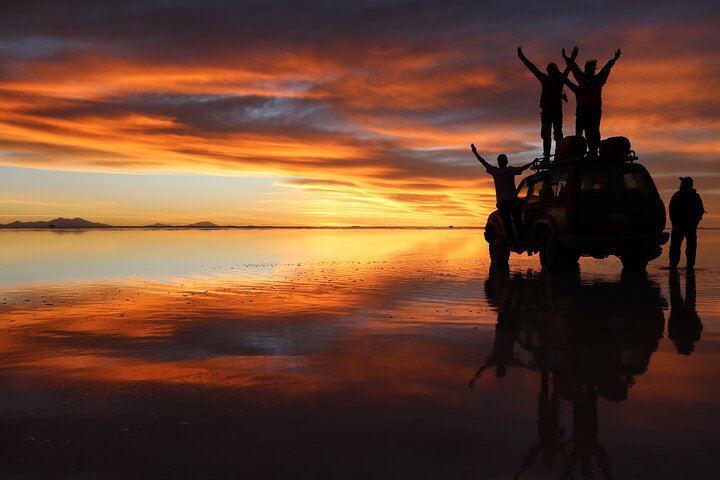
The light at this altitude turns the sky a shade of burnt copper that no photograph will quite get right.
More Ways to Experience Sucre
Tours, day trips, and local experiences curated by on-the-ground operators.
Didn't see anything interesting yet?
Browse Viator's full catalog of tours, day trips, food experiences, and private guides in Sucre.
See All Sucre Tours on Viator