Things to Do in Sucre in January
January weather, activities, events & insider tips
Low Season · Budget Friendly
January Weather in Sucre
Long-run averages for January
70°F (21°C)
High Temp
51°F (10°C)
Low Temp
5.8 inches (147 mm)
Rainfall
72%
Humidity
17
Sunny-Day UV
⚠ Afternoon thunderstorms bring lightning. This is dangerous on exposed ridgelines during the Maragua Crater trek. Dangerous on the open salt flats near Uyuni. Guides adjust plans based on conditions. Do not resist shelter decisions. Lightning at 3,600 m (11,811 ft) on wet salt is real. Not theoretical.
⚠ UV intensity at Sucre's altitude burns unprotected skin within two hours. This happens even on partly cloudy days. Standard SPF 30 is insufficient for extended exposure here. Broken cloud cover deceives. The cool sensation under clouds masks the UV hitting your skin. Wear protection.
⚠ Flash flooding threatens quebradas and dry streambeds around Maragua Crater. It threatens unpaved roads southeast of Sucre after heavy rain. Never camp or park in a dry streambed during wet season. Take local guidance on road conditions seriously. A passable morning route can close by evening.
Making the most of January in Sucre? Browse tours and activities in Sucre on GetYourGuide.
Is January Right for You?
Weigh the advantages and considerations before booking
Advantages
- + January rain across the Salar de Uyuni creates the mirror effect. The world's largest salt flat becomes a flawless reflection of the sky. This is Bolivia's most sought-after natural spectacle. It only occurs during the wet months from December through March. Multi-day tours departing from Sucre run throughout January. The reflected sunsets and sunrises are unlike anything else on the continent. Bring rain gear. Trust the view.
- + Sucre's colonial center empties out in January. Tour groups normally fill these streets from May through October. The rooftop terrace of San Felipe Neri waits empty. The courtyard of Casa de la Libertad sits quiet. The mirador at La Recoleta holds the view. You can have them largely to yourself on a weekday morning. Accommodation rates tend to drop noticeably. The pace of the city slows to something closer to how residents live. Walk slowly. Breathe deep.
- + The altiplano's usual dry brown palette gives way to startling green. Hillsides around the Maragua Crater burst with wildflowers. The quebradas run with clear water instead of cracked dust. The drive to Tarabuco passes through valleys so intensely green they look misplaced at 3,000 m (9,843 ft) elevation. The landscape photography in January is unrecognizable compared to the parched winter months. Capture everything. Frame tightly.
- + Mercado Central overflows with wet-season fruit. Cherimoya split open to reveal custard-white flesh. Tuna cactus fruit shows startling magenta insides. Tree tomatoes line the stalls. Tumbo (banana passionfruit) fills the whole aisle with tart perfume. Street vendors near Plaza 25 de Mayo serve api morado. This thick purple corn drink carries fragrant cinnamon and clove notes. Sip slowly. Savor the flavors.
Considerations
- − This is Sucre's wettest month, averaging 147 mm (5.8 inches) of rainfall. Afternoon thunderstorms tend to roll in between 2 and 5 PM most days. Storms turn cobblestone streets into ankle-deep streams. Rain occasionally strands travelers on unpaved roads leading to outlying treks. Plans that depend on dry afternoons will need reshuffling. Check forecasts daily. Keep a flexible itinerary.
- − The UV intensity at Sucre's 2,810 m (9,219 ft) elevation is severe even on overcast days. The thinner atmosphere at altitude filters far less ultraviolet radiation than at sea level. Broken cloud cover is deceptive. Serious sunburn through clouds is one of the most common complaints among January visitors. Many assumed they were safe under grey skies. Wear sunscreen daily. Cover your skin.
- − Fewer tourists means fewer group departures for multi-day Uyuni expeditions. You may wait a day or two in Sucre for a vehicle to fill. Pay a premium for a private departure instead. Some secondary roads to rural communities and trekking trailheads become temporarily impassable after sustained downpours. Check conditions closely. Watch the approach to Chataquila and the Maragua area. Drive carefully.
Settled on January? Compare hotel prices in Sucre for your dates on Trip.com.
Best Activities in January
Top things to do during your visit
January in Sucre brings 5.8 inches of rain, more than any other month. Mornings start cool at 51°F. Mist hangs on the whitewashed colonial facades along Calle Junín. The sun burns through by mid-morning. Daytime temperatures push toward 70°F. Cumulus towers build over the Andean foothills by early afternoon. The storms arrive in theatrical bursts. Heavy, warm downpours slick the red-tile rooftops. They fill the stone gutters with rushing water. The air smells of wet earth and eucalyptus. Markets open early. Restaurants fill at midday. Locals settle under covered arcades in Plaza 25 de Mayo when the clouds crack open. This is the green season. The hillsides above the Churuquella ridgeline flush with wild grasses and scrub flowers. The quebradas that slice through the city's eastern neighborhoods run with actual water for the first time since March. The rain drives a phenomenon that draws travelers to the Salar de Uyuni, several hours southwest. A thin sheet of water spreads across the salt crust. It turns the world's largest salt flat into a continent-scale mirror. Sucre is the staging city for those expeditions. In January, its hostels, restaurants, and tour offices carry the energy of travelers planning multi-day crossings. The city rewards those who linger. Sucre's food scene has matured around its market culture. The stalls at Mercado Central still sell saltenas stuffed with sweetened chicken and olive. Their pastry shells yield with a soft crack. They release a broth that is simultaneously peppery and faintly sweet. The colonial core, a UNESCO site since 1991, is best explored on foot in the temperate morning hours before the rain cycle begins. January falls within Bolivian summer holidays. The plazas carry the sound of local families. This replaces the quieter academic rhythm that marks Sucre's university term the rest of the year.

Uyuni Salt Flat 1 Day Tour +Sunset in the Salt Water Region with Mirror Effect
guided_experienceIt compresses the essential experience of the Salar into a single, intensive outing. You cross the blinding white expanse by 4x4. The salt crunches under tires like packed snow. The vehicle stops. The silence is so complete you can hear your own pulse. The afternoon builds toward the main event. As the sun drops, the flooded salt surface in the water region catches the entire sky. Clouds, light, your own silhouette reflect with such precision that the horizon line dissolves entirely.
January's rainy season floods the salt crust with a shallow film of water, creating the mirror effect that turns the Salar de Uyuni into one of the most photographed landscapes on Earth.
Insider tip: Bring dark socks or neoprene booties. The salt water is shallow but cold. It will soak through regular shoes during the mirror-effect walk. Most operators do not supply footwear protection.
This month: January is the peak of the wet season on the Salar de Uyuni. The flooded surface conditions required for the mirror effect are at their most reliable. Heavy rains can occasionally make access roads impassable for a day or two. Build a buffer day into your schedule.

Uyuni Salt flat 2 day+sunset at Salt Water Region + Mirror effect
otherIt extends the single-day format into an overnight journey. It includes a sunset session on the flooded salt and a second morning on the Salar when the light is entirely different. Pale gold, low-angled, the water surface still as poured glass before the wind picks up. You sleep in a basic salt hotel near the flat's edge. The walls and furniture are carved from compressed salt blocks. The night cold at altitude bites through blankets with a dry, mineral chill. The second day opens terrain that one-day visitors never see. The colored lagoons of the southern altiplano, where flamingos stand knee-deep in water so red with algae it looks like spilled wine.
Two days on the Salar lets you witness both the theatrical sunset mirror and the eerie, glass-still dawn reflection. Two entirely different spectacles from the same landscape.
Insider tip: Request a front seat in the 4x4 for the drive segments. The back rows on unpaved altiplano tracks bounce hard enough to rattle your teeth. The views through the windshield are worth negotiating for.
This month: The wet-season flooding that produces the mirror effect peaks in January. This is the prime window for the reflection photography the tour advertises. Overnight temperatures on the salt flat can drop sharply even in summer. Pack thermal layers despite the warm daytime forecast in Sucre.

Traditional Bolivian Cooking Class w/ Cocktail Making by La Boca del Sapo, Sucre
foodPulls you behind the counter of one of the city's respected kitchens. You enter the logic of Bolivian food. You start with cocktail making. The sharp citrus burn of singani, Bolivia's national grape spirit, shaken with lime juice and the faintly herbaceous bite of local bitter orange. Then you move to a hands-on session with dishes rooted in the Chuquisaca region. Expect to work with ají amarillo paste. Its color is a deep sunset orange. Its heat is slow-building. You will knead and fold salteña dough until the pastry reaches the right elasticity. A texture you feel give under your thumbs before it crisps in the oven.
This is the most direct way to understand Sucre's food culture from the inside. Not as a spectator but with flour on your hands and singani on your breath.
Insider tip: Eat a light breakfast only. The class produces a full meal's worth of food plus cocktails. The portions are generous enough that most participants skip dinner afterward.

1 Day Trek in the Crater of Maragua and Inca Trails in Sucre
adventureBegins with a drive southeast from Sucre. You enter the folded sedimentary landscape of the Cordillera de los Frailes. The road narrows to a track. The terrain opens into a natural amphitheater ringed by striated red and ochre cliffs. You descend on foot along Inca-era trail segments. Stone steps worn smooth by centuries of use, the rock warm under your palms where you brace on steep sections. You reach the crater floor. Indigenous Jalq'a communities farm small plots between dinosaur footprints embedded in exposed shale. The air smells of wild thyme crushed underfoot. After rain, it carries the particular wet-rock scent that saturates Andean valleys.
Maragua puts dinosaur trackways, pre-Columbian trails, and living indigenous culture inside a single geological formation less than two hours from Sucre.
Insider tip: Wear trail shoes with aggressive tread. The red clay sections inside the crater turn to a slick, sticky paste after the afternoon rains that are standard in January. Flat-soled sneakers will leave you sliding.
This month: January rainfall makes the Maragua crater trails muddier than dry-season conditions. It can swell stream crossings that are normally ankle-deep. The payoff is that the crater floor is green and farmed, the waterfalls along the descent are running, and the red rock walls deepen in color when wet.

Historical and Cultural Walking Tour in Sucre with Guide
culturalThreads you through Sucre's colonial core. A local guide knows which courtyard doors are unlocked and which church naves are open at a given hour. You walk streets paved in the same stone the Spanish laid in the sixteenth century. You pass facades so uniformly white that the city earned its nickname, La Ciudad Blanca. The reflected light off those walls at mid-morning is bright enough to squint against. The tour covers the Recoleta monastery overlook. The view stretches across terracotta rooftops to the green hills beyond. It includes the textile museum, where Jalq'a and Tarabuco weavings hang in rooms that smell faintly of lanolin and old wood.
Sucre's UNESCO-listed core is dense enough that a guided walk in two hours covers ground that would take a full day to piece together alone. The context is something no signage provides.
Insider tip: Start the tour before ten in the morning. The churches along the route keep inconsistent hours. The guide can adjust the sequence based on which doors are open. But only if there is enough of the morning left to reroute.
This month: January's afternoon rains make morning the only reliable window for an outdoor walking tour in Sucre. Most operators schedule departures before 9 AM during the wet season for this reason.

Uyuni Salt Flats Private 3 day tour (Palacio Sal 4* & Tayka 3*)
guided_experienceIs the most expansive way to cross the Salar and the southern altiplano from Sucre's orbit. Your vehicle is yours alone. No negotiating stops with six strangers. You control the pace through the Eduardo Avaroa Reserve. Geysers at Sol de Mañana send sulfurous steam hissing into air cold enough to see your breath at dawn. You sleep at the Palacio de Sal, a hotel built entirely from salt blocks. Even the bedframes are carved from the mineral. The walls glitter faintly under lamplight. You also stay at a Tayka lodge positioned at altitude among landscapes so barren they look lunar. The third day crosses the salt flat itself. In January, the flooded expanse stretches to the horizon with nothing breaking the mirror but your own reflection.
Privacy, comfort, and three full days mean you see the Salar, the colored lagoons, the geysers, and the desert in the pacing and depth a single-day dash cannot approach.
Insider tip: Ask your driver to stop at the Galaxia cave formations near the town of Villamar on the second day. Most itineraries skip them. The wind-carved rock tunnels are worth the thirty-minute detour and are rarely visited.
This month: January's wet season maximizes the mirror effect on the Salar de Uyuni across your final day. The flamingo populations at the colored lagoons on day two are at their highest density during the austral summer breeding season.
Where to Stay in Sucre in January
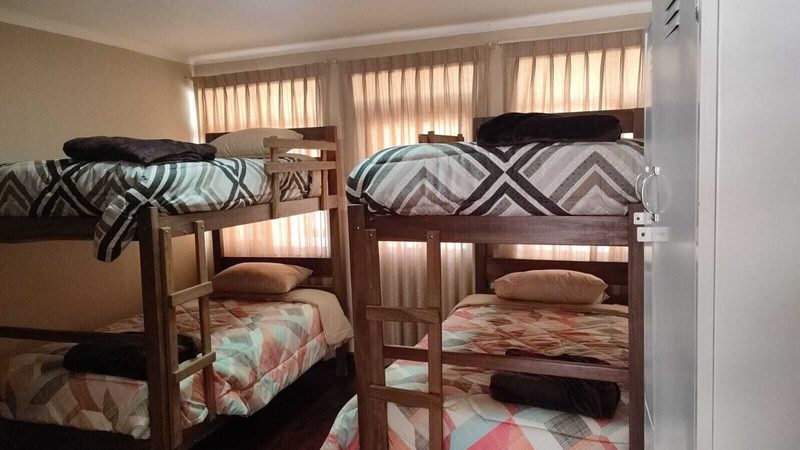
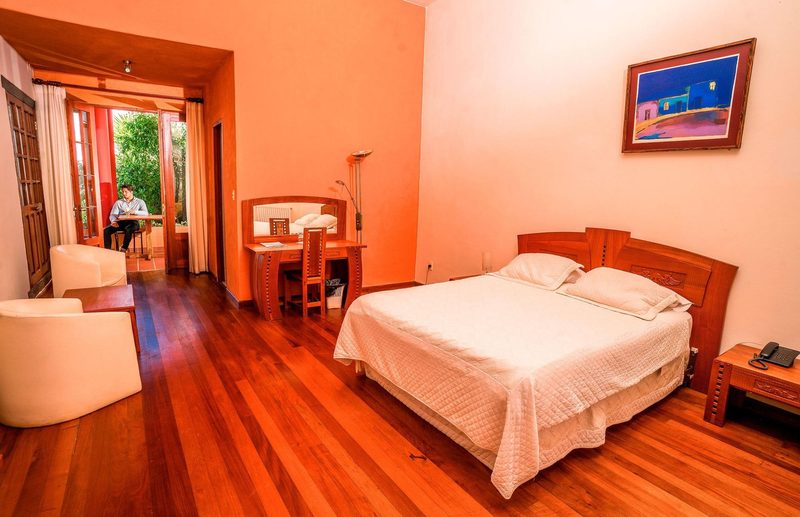
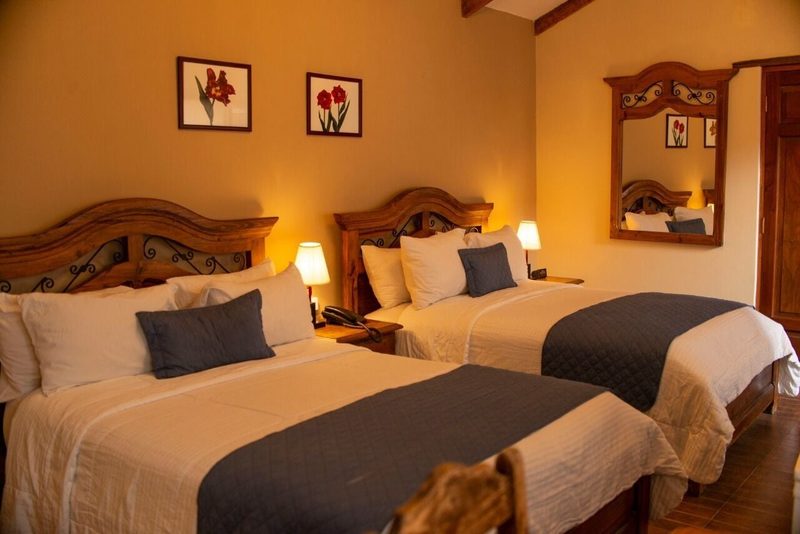
Hand-picked hotels across price tiers for January travellers.
Public Holidays in January
Dates that affect opening hours, transport and crowds
Año Nuevo
Known in English as New Year's Day. Observed nationwide as a public holiday.
Año Nuevo
Known in English as New Year's Day. Observed nationwide as a public holiday.
Packing Checklist
Bookmark this page — your progress is saved between visits
Need the full list with shopping links?
Climate-specific gear, brand recommendations, and what to leave at home.
View Sucre Packing List →Essential Tips
Insider knowledge and common pitfalls to avoid
Insider Knowledge
Eat at Mercado Central before noon. The second-floor comedores serve almuerzo completo (a bowl of soup, a generous main plate, a small dessert, and a drink) at prices that make restaurants across the plaza feel like robbery. The sopa de mani, Sucre's signature peanut soup, is thick and nutty with shreds of potato and a slow-building kick of aji pepper. The market version is consistently better than the tourist-restaurant rendition. Point at what the person next to you is eating if the menu is handwritten and illegible. Nobody minds.
Plan every outdoor activity for the morning. January's weather pattern is remarkably consistent. Clear or partly cloudy skies last until midday. Clouds build by early afternoon. Rain falls from roughly 2 to 5 PM. By 6 PM the sky often clears again. The post-rain light on the whitewashed colonial facades produces the warmest, most photogenic tones of the day. Golden hour in Sucre after a January storm is something photographers return for.
Runners, hikers, and cardio enthusiasts need two full rest days before any strenuous activity. Sucre sits at 2,810 m (9,219 ft). Your resting heart rate will spike 10 to 20 beats above normal. The urge to push through mild breathlessness invites altitude headaches that can ruin an entire day. Walk slowly on day one. Drink water aggressively. Eat light. The city is lower than La Paz or Potosi. That creates false security. The altitude still matters.
The dinosaur footprints at Cal Orcko cling to an active quarry wall that keeps eroding. New tracks emerge while older ones crumble. Quarry operations have threatened access for years. What you see in January 2027 will differ from what future visitors encounter. Prioritize this site early. Do not save it for your last day.
Avoid These Mistakes
Visitors underestimate the altitude. Sucre at 2,810 m (9,219 ft) feels less punishing than La Paz at 3,640 m (11,942 ft). That mild reputation tricks people into skipping acclimatization. They book full-day treks for day one. They ignore the headache building behind their eyes. Day two finds them in bed. Rest, water, coca tea, and light meals for the first 24 hours are not optional. They separate good trips from miserable ones.
Never leave rain gear at your accommodation. January mornings look gorgeous. Tourists abandon their jackets. By 2 PM the sky turns slate. Rain arrives with almost no warning. Carry your rain jacket and a waterproof bag for electronics every time you step outside. Ignore the morning sky. Locals carry umbrellas year-round in January. They know.
Do not attempt Uyuni as a day trip. The salt flats sit 550 km (342 miles) southwest of Sucre. The fastest road takes seven to eight hours each way. One-day tours exist. They mean sixteen hours in a vehicle for a few hours on the salt. Barely enough time to see the mirror effect before light changes. Two or three-day tours are essential. They deliver the reflected sunrises and sunsets that make January prime season. The difference is categorical. Not incremental.
Short on time? See day trips around Sucre on GetYourGuide.
Ready to plan your trip to Sucre?
Now that you've got the research covered, here's where to go next.
Explore More Activities in Sucre
Didn't see anything interesting yet?
Browse Viator's full catalog of tours, day trips, food experiences, and private guides in Sucre.
See All Sucre Tours on Viator